
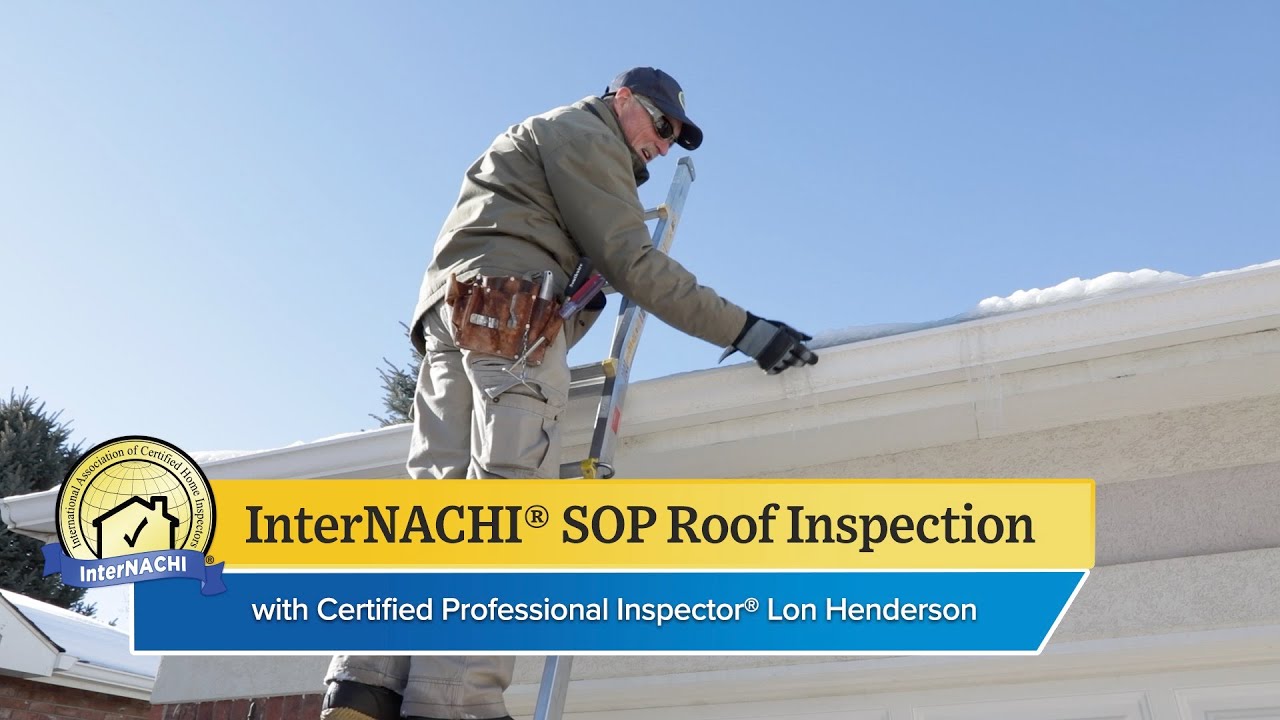
Roof Inspection
About This Project
Conduct a thorough inspection of your roof to identify any potential damage, wear, or areas needing repair or maintenance. This involves a visual check from the ground and, if safe, a closer inspection of the roof surface and its components.
Tools & Materials

Safety Glasses
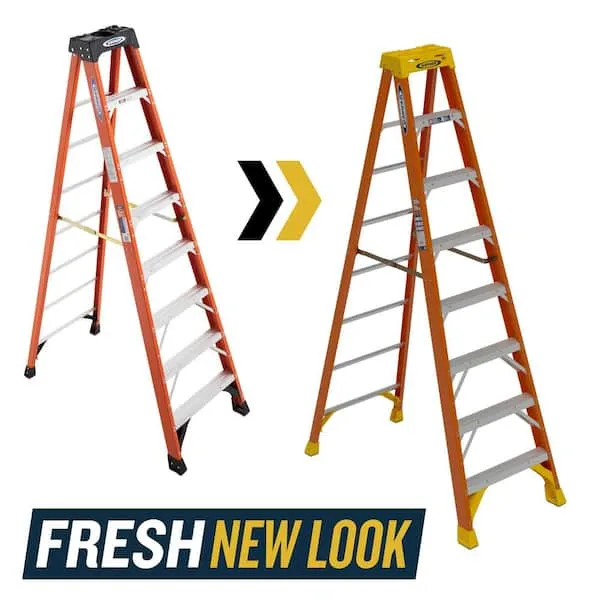
Ladder

Work Gloves

Wyze Cam OG Telephoto Indoor/Outdoor 1080p Wi-Fi Smart Home Security Camera with 3X Optical Zoom and Color Night Vision WYZECGT
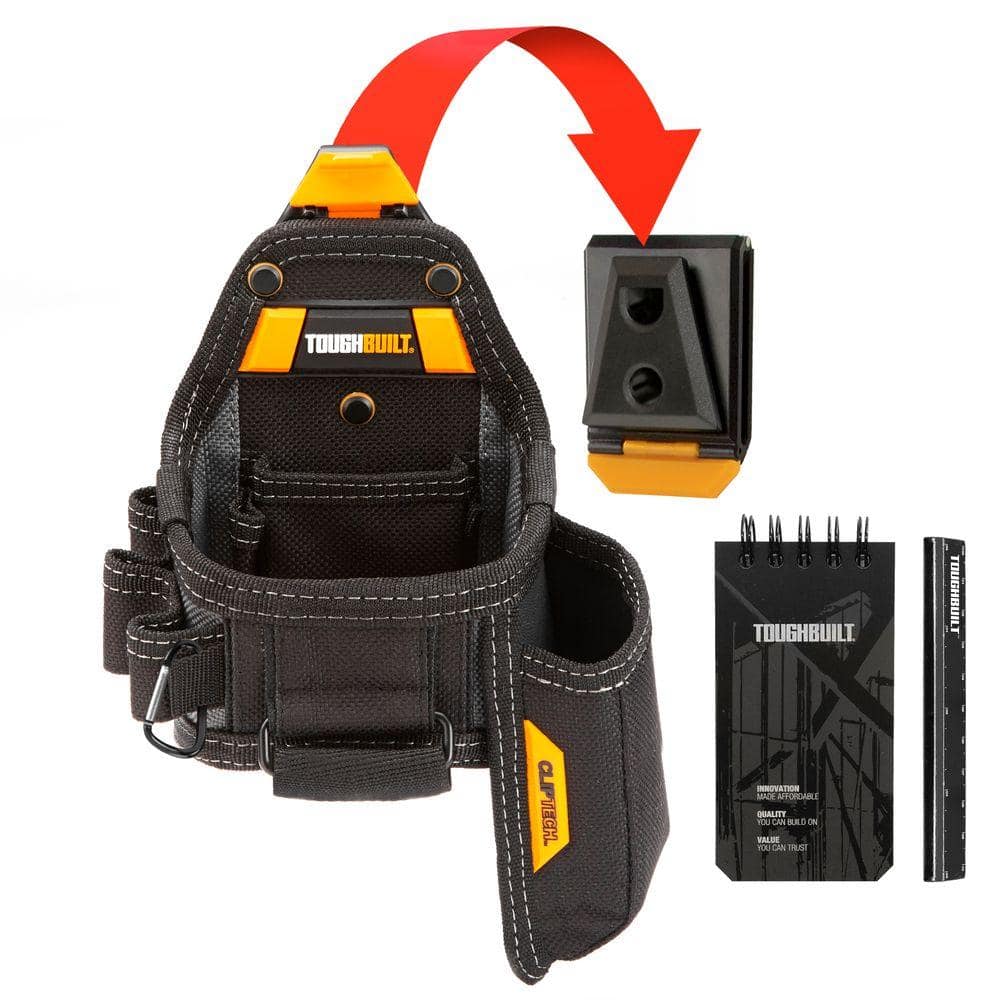
TOUGHBUILT 7-pocket Tape Measure and Utility Knife Pouch, Black with ClipTech Hub notebook, carpenter pencil and carabiner loop TB-CT-25X
Safety Glasses
Keeps eyes safe from potential hazards.
Ladder
Reach new heights safely.
Work Gloves
Protects hands during tasks.
Wyze Cam OG Telephoto Indoor/Outdoor 1080p Wi-Fi Smart Home Security Camera with 3X Optical Zoom and Color Night Vision WYZECGT
Introducing WYZE Cam OG Telephoto. The industry shattering WYZE Cam that catapulted the company into 6 million households today, is back and better than ever. We've upgraded everything that matters most.
TOUGHBUILT 7-pocket Tape Measure and Utility Knife Pouch, Black with ClipTech Hub notebook, carpenter pencil and carabiner loop TB-CT-25X
The TOUGHBUILT Tape Measure/Utility Knife Pouch transforms how professionals carry their tape measure and knife. The patented ClipTech Hub allows this pouch to clip on and off any belt. Works great alone,
Steps

Visual Inspection from the Ground
15 minutesWalk around the entire perimeter of your house and observe the roof. Look for any shingles that are cracked, curled, or missing. Check for any debris, such as tree branches, that may be on the roof. Note any areas that appear discolored or have moss/algae growth. Pay attention to the condition of flashing around chimneys, vents, and skylights.
Watch: Ground-Level Visual Inspection for Obvious Damage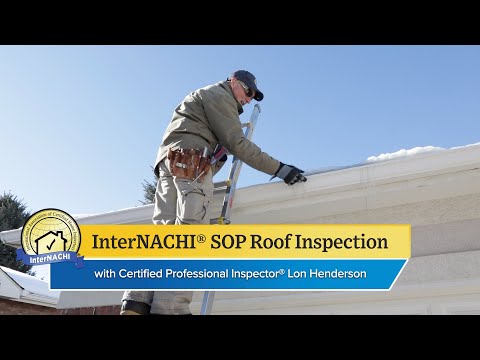
Inspect Gutters and Downspouts
10 minutesInspect the gutters for sagging, cracks, or rust. Check if they are securely attached to the fascia. Look for any debris accumulation within the gutters that could impede water flow. Ensure downspouts are clear and directing water away from the foundation.
Watch: Inspect Gutters and Downspouts
Check Roof Surface for Damage (if safe)
30 minutesCarefully climb onto the roof using a sturdy ladder. Walk methodically across the roof surface, maintaining balance. Inspect individual shingles for signs of wear, such as granulation loss (black grit in gutters), cracking, curling, or lifting. Look for any soft spots or sagging areas in the roof deck, which could indicate underlying structural issues. Examine flashing around all roof penetrations (vents, chimneys, skylights) for damage, rust, or displacement.
Watch: Perform a Thorough Roof Inspection
Examine Shingles Closely
20 minutesFocus on the condition of the shingles. Look for areas where the protective granules are missing, which can be seen in the gutters or at the base of downspouts. Check for any cracks, splits, or holes in the shingles. Examine edges for curling or lifting, which can allow water to seep underneath. Note any areas where shingles have blown off or are damaged.
Watch: Assess Asphalt Shingle Condition
Inspect Ridge Vent and Cap Shingles
10 minutesThe ridge vent is crucial for attic ventilation. Inspect it for any signs of damage, such as tears in the mesh, warping, or being dislodged. Ensure it is not blocked by debris or overgrown vegetation. Examine the cap shingles that cover the ridge vent for cracks, lifting, or missing pieces.
Watch: Check for Ridge Vents
Evaluate Flashing Integrity
15 minutesFlashing is critical for preventing water leaks. Inspect the metal or rubber flashing around chimneys, vent pipes, skylights, and any valleys where two roof slopes meet. Look for any signs of rust, corrosion, cracks, tears, or areas where the flashing has pulled away from the roof surface. Ensure sealant around flashing is intact and not deteriorated.
Watch: Evaluate Flashing ConditionDocument Findings
15 minutesTake clear photographs or videos of any damage, wear, or problem areas identified during the inspection. Make notes of the location of each issue on the roof. This documentation will be invaluable if you decide to hire a professional for repairs or for your own records.
Watch: Document Findings with Photos and VideosFrequently Asked Questions
What are the most important safety precautions for a DIY roof inspection?
Always prioritize safety by using a stable ladder on level ground and having a spotter if possible. Never attempt to inspect your roof in wet, icy, or windy conditions. Wear non-slip shoes and safety glasses, and only access the roof if you are comfortable and it is structurally sound.
Is the Wyze Cam OG Telephoto camera really necessary, or can I use a smartphone?
While a smartphone can work for basic visual checks, the Wyze Cam OG Telephoto offers 3X optical zoom and color night vision, allowing for much more detailed inspection of high or hard-to-reach areas from the ground or ladder. This helps identify subtle damage that might be missed otherwise, providing a safer and more thorough inspection without always needing to climb onto the roof itself.
How often should I inspect my roof, and when is the best time of year to do it?
It's recommended to inspect your roof at least twice a year, ideally in the spring and fall, to prepare for changing seasons and identify any winter or summer damage. You should also conduct an immediate inspection after any severe weather event, such as heavy winds, hail, or significant snowfall, to check for new damage.
What are some common signs of roof damage or wear I should look for?
Look for cracked, curled, or missing shingles, especially around eaves and valleys. Pay attention to granules collecting in gutters, which indicates shingle wear. Also, check for moss or algae growth, rust on flashing, or sagging spots on the roofline, as these can all signal problems.
What if I'm not comfortable getting on a ladder or walking on my roof?
Your safety is paramount; if you're not comfortable with heights or ladder work, do not attempt to go onto the roof. Instead, utilize the recommended Wyze Cam for a thorough ground-level inspection with its zoom capabilities, or consider hiring a professional roof inspector who is equipped and trained for safe roof access.
Can a regular roof inspection really save me money in the long run?
Absolutely. Regular inspections allow you to catch minor issues like loose shingles or small cracks early, before they escalate into major, expensive problems like widespread leaks or structural damage. Proactive maintenance extends your roof's lifespan and helps avoid costly emergency repairs, saving you money and stress over time.
What should I do if I find damage during my inspection?
Document all findings with photos, noting the location and severity of the damage. For minor issues, you might be able to perform simple repairs yourself if you're skilled and comfortable, but for significant damage, multiple issues, or if you're unsure, it's best to contact a qualified roofing professional for a detailed assessment and repair quote.


